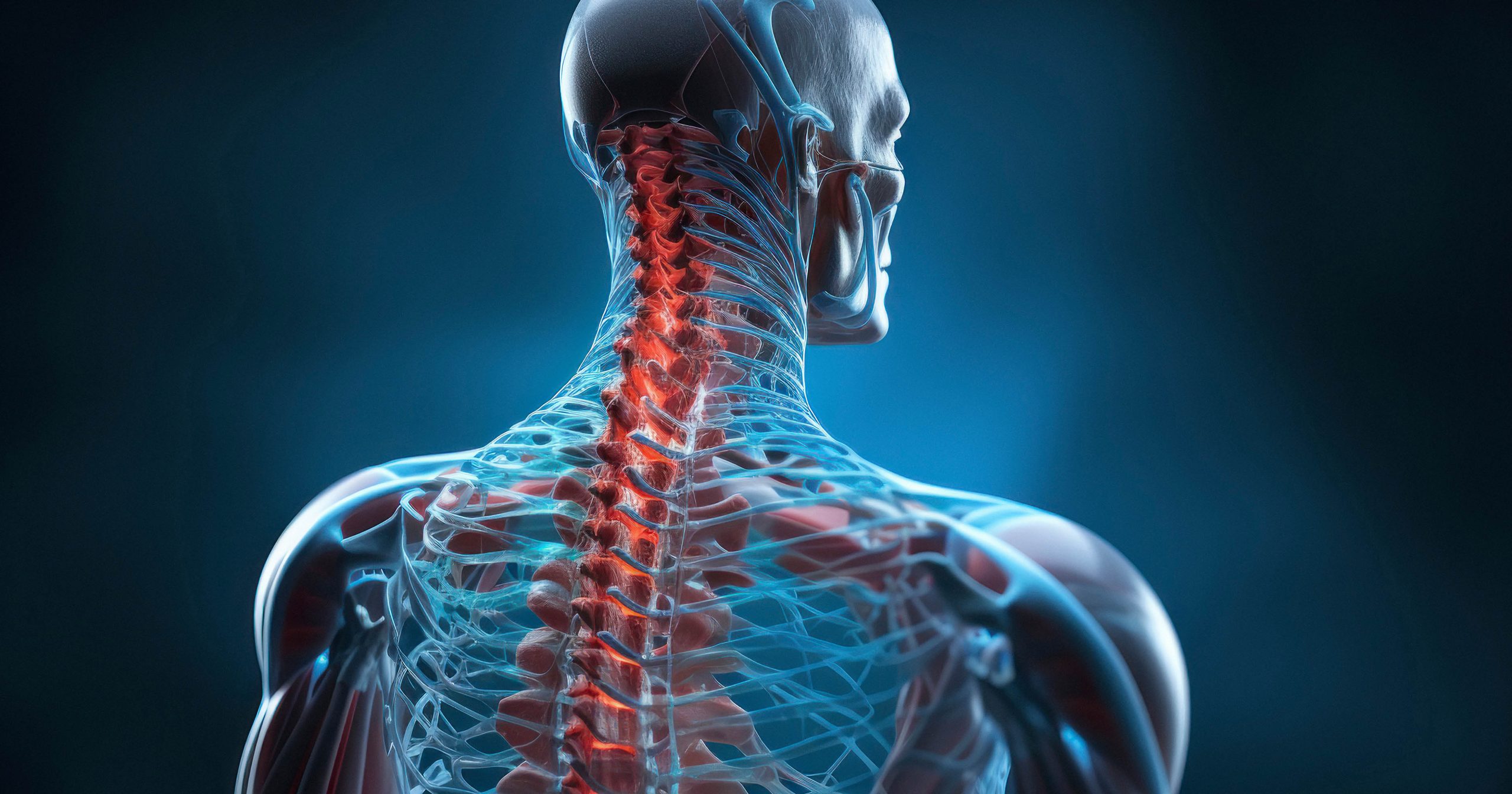
Autonomic dysreflexia (AD) is a life-threatening condition that usually develops after a spinal cord injury at or above the T6 vertebra. AD episodes increase the risk of stroke by 300%-400% and can occur up to 40 times per day. A Purdue University researcher and his collaborators in the Indiana University School of Medicine have developed a patent-pending noninvasive device that continuously monitors for AD.
AD is a life-threatening condition that usually develops after a spinal cord injury at or above the T6 vertebra. Medical professionals traditionally use blood pressure monitoring to diagnose AD. This is impractical for continuous monitoring because it restricts a person’s activities and can be affected by movements like propelling a wheelchair or transferring into or out of one.
A Purdue University researcher and his collaborators in the Indiana University School of Medicine have developed a patent-pending, noninvasive device that continuously monitors for AD. It detects AD using sensors and controllers to measure the heart’s electrical activity, skin nerve activity, galvanic skin response and skin temperature. It utilizes and brings together measurements and classifies them to identify the onset of AD using a machine learning model. Upon detecting AD, the device notifies the subject and their caregiver or medical professional.
In tests of humans with chronic spinal cord injuries, the noninvasive monitoring device confirmed AD episodes with 94.1% accuracy.
Bradley Duerstock, College of Engineering
Email: otcip@prf.org
Email: Steve Martin // sgmartin@prf.org