National Academy of Inventors Fellows at Purdue: J. Paul Robinson
May 6, 2026
National Academy of Inventors Fellows at Purdue
NAI Fellow 2022
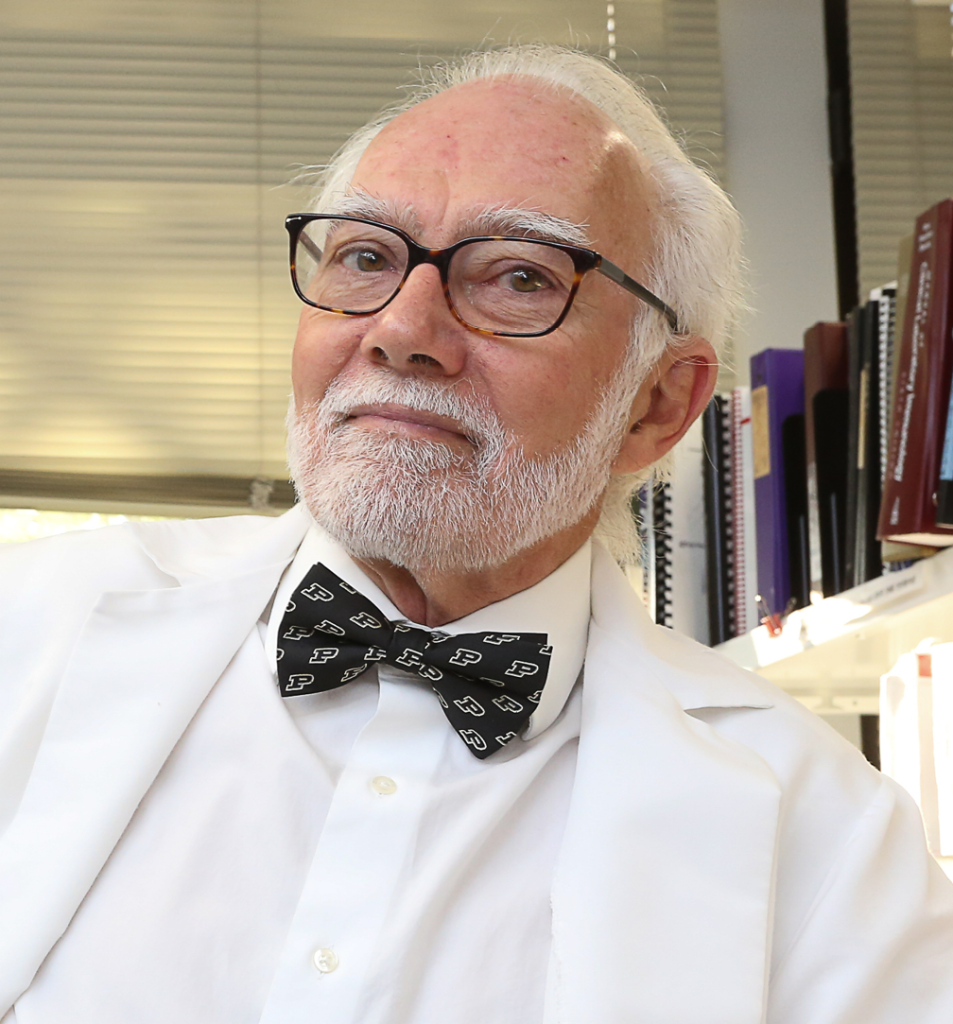
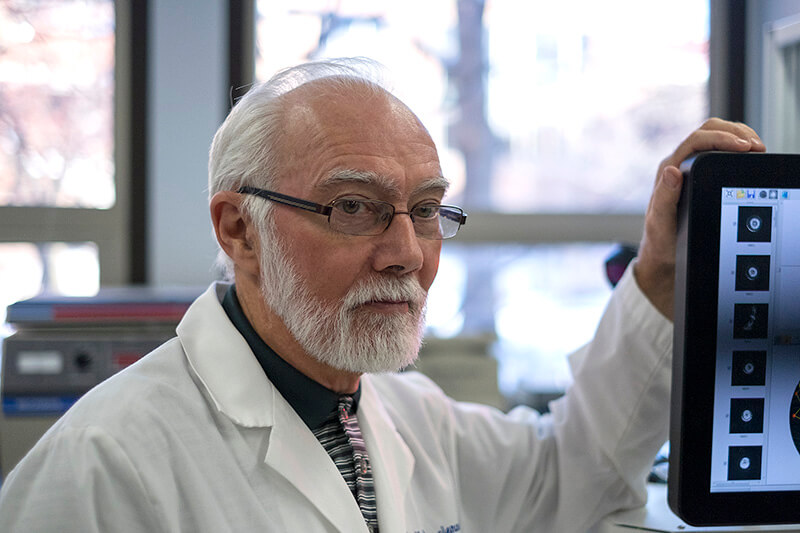
J. Paul Robinson
Distinguished Professor of Cytometry and SVM Professor of Cytomics in the College of Veterinary Medicine’s Department of Basic Medical Sciences. Joint appointment as professor of biomedical engineering in the Weldon School of Biomedical Engineering. Director of the Purdue University Cytometry Laboratories.
The NAI Fellows Program celebrates academic inventors whose work spans multiple disciplines and exemplifies their collaboration, dedication and innovation to transform research into real-world commercial technologies that contribute to the betterment of society.
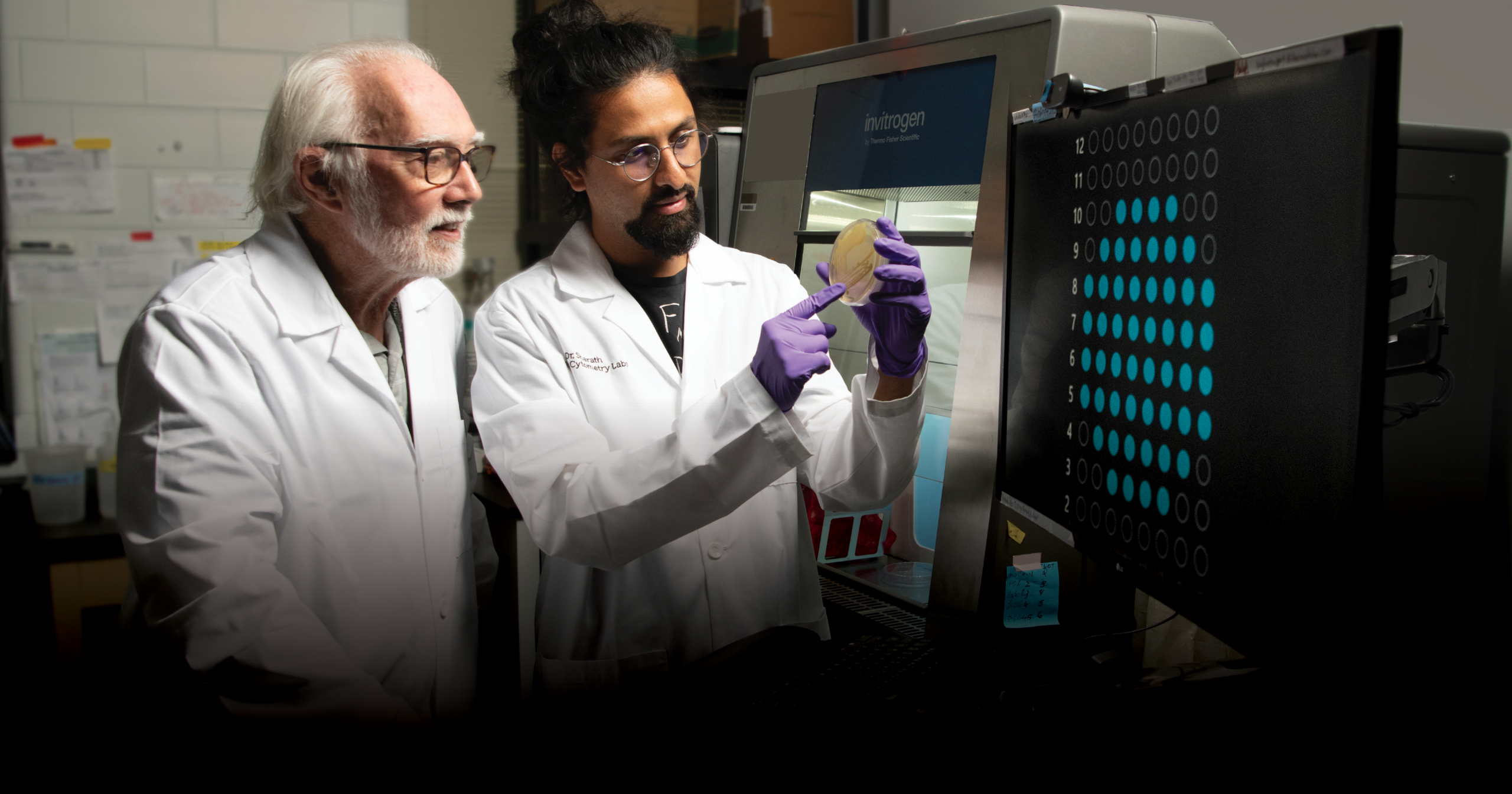
Robinson is renowned for his pioneering contributions to cytomics, spectral flow cytometry, and high-throughput cellular analysis. Robinson’s Purdue team invented spectral flow cytometry, the basis of all current commercial instruments and considered one of the most significant technologies in the field of single-cell biological detection using fluorescence.
Purdue has a great record of encouragement and entrepreneurship. Support from Purdue Research Park has been a critical component to our success.” (source)
Robinson has a long career in bringing innovations from lab to life including a 2007 patent licensed to Sony Corp., which successfully commercialized the technology and introduced it into the field. ThermoFisher also licensed the patent related to its spectral sorter released in 2020.