Today, March 12, is World Glaucoma Day, which is the beginning of World Glaucoma Week. The event has two goals:
According to the Centers for Disease Control and Prevention, glaucoma is the second-leading cause of blindness around the world. Around three million Americans have the disease, but only half know it. Although there is no cure yet, people can prevent vision loss from glaucoma by catching it early.

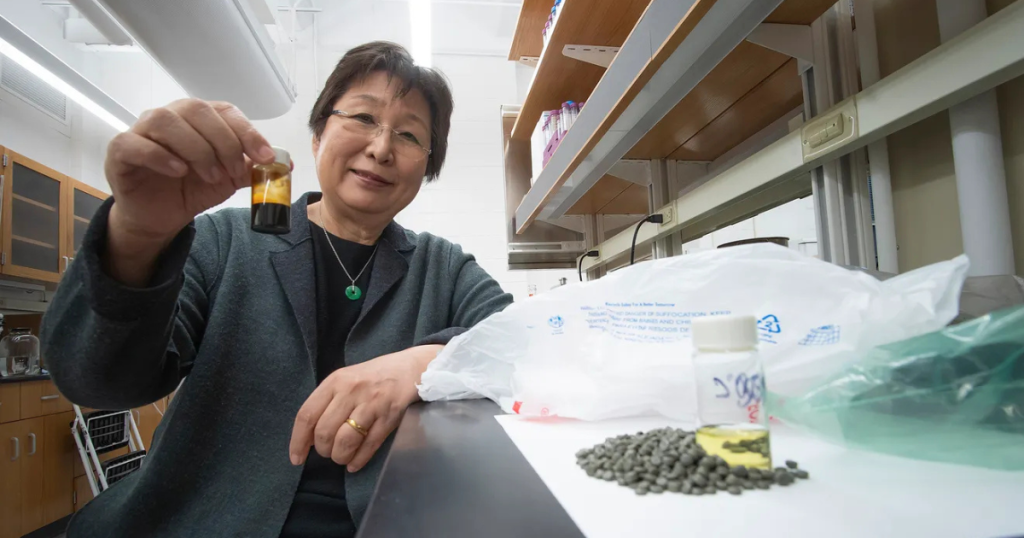
Purdue University researcher Chi Hwan Lee is developing specialized smart soft contact lenses that can accurately measure intraocular pressure, or IOP, in a person’s eye. IOP is the only known modifiable risk factor for glaucoma. Lee is the Leslie A. Geddes Associate Professor of Biomedical Engineering in Purdue’s Weldon School of Biomedical Engineering.
It is difficult to monitor IOP for long periods of time, particularly during sleep, but necessary.
“The largest increase in IOP often occurs while people are lying down, when overnight IOP is typically 10% to 20% greater than daytime IOP. Vision loss may occur during sleep without the patient noticing it, even if daytime in-clinic or at-home measurements indicate normal IOP,” said Lee, who has a joint appointment in the School of Mechanical Engineering and a courtesy appointment in the School of Materials Engineering.
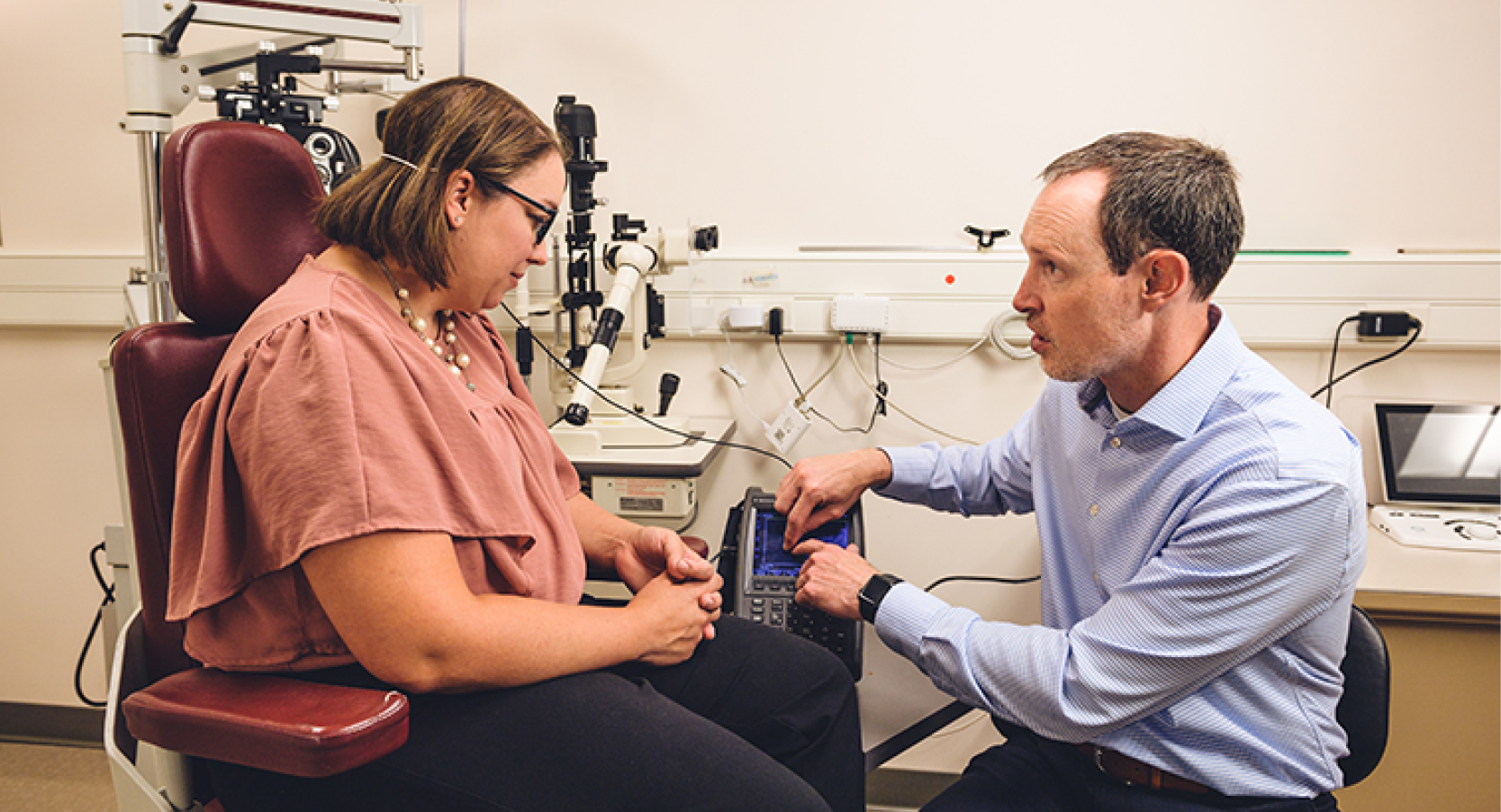
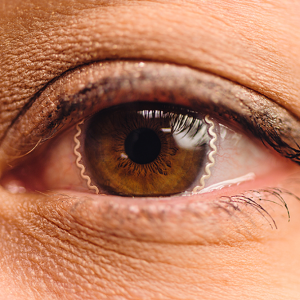
The complete 24-hour IOP data can be shared with clinicians remotely via an encrypted server. Lee’s monitors can generate an audible alert when it detects IOP elevation, allowing appropriate action to take place and reducing the need for clinic visits.
The technology was developed by a multidisciplinary group of engineers and health care researchers from Purdue’s colleges of Engineering and Veterinary Medicine and the Indiana University School of Optometry.
Boomerang Venture Studio, headquartered in Indianapolis, has been involved in the commercialization assessment for the technology.

Bionode is a clinical-stage glaucoma treatment company that is developing first-in-class eye-tech medical devices to reduce elevated IOP. Pedro Irazoqui, a former Purdue University researcher, is Bionode’s chief scientific officer and co-founder. Irazoqui now is a professor in Johns Hopkins University’s Whiting School of Engineering.
The company’s generation 1 system pairs custom, disposable contact lenses with an advanced wireless eyeglass frame. When activated, the system significantly and rapidly reduces IOP. Its integrate app provides critical information to the patient and medical professional with a unique feedback loop on usage and outcome.

Jim Simms, board member, said Bionode completed a pivotal study in Canada that shows positive results to using the generation 1 system. He said the company also is completing a large round of funding.
Thank you to current and former Purdue University researchers for their research to monitor and treat glaucoma, and the companies bringing that work to the public!