Novel concrete deposition methods
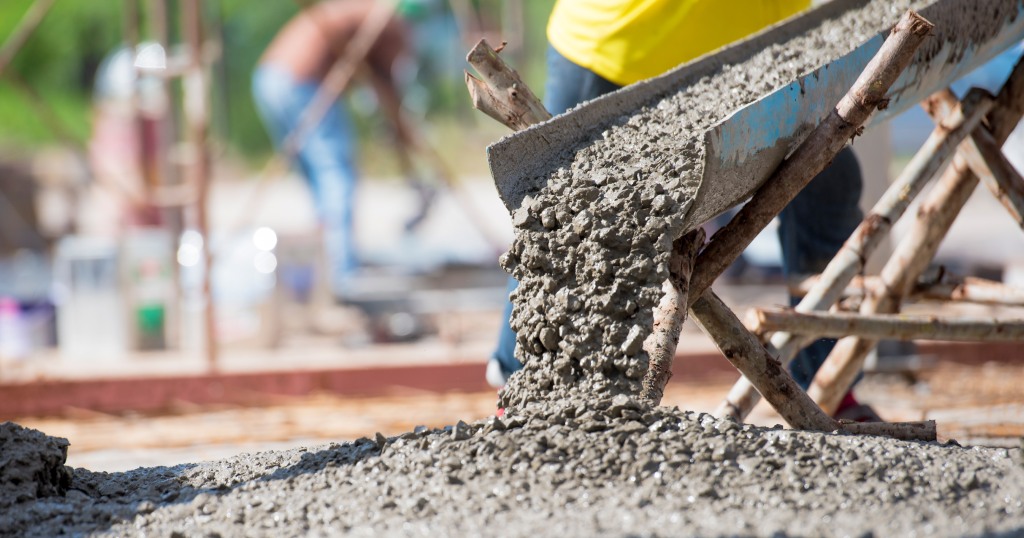
Concrete forms the foundation of buildings, infrastructure, water management, residential, landscape, and marine projects. Purdue University researchers have developed several novel methods for concrete deposition.
solution 1
Researchers have developed a novel concrete created from post-industrial and post-consumer hygiene waste products. The waste materials are blended with a binder to create free-flowing dry powders that absorb water, swell, and provide micro-reservoirs for curing when incorporated into concrete mixtures.
Technology Validation: Research published in peer-reviewed journals reports this admixture significantly reduces volumetric shrinkage, material segregation, and stress cracking during casting, printing, and curing. It helps reduce concrete’s overall carbon footprint and increases the service life and eco-efficiency of concrete.
solution 2
Researchers have developed a low-cost, low-carbon cement mix for additive manufacturing. This cement mixture significantly increases static yield, improves cure kinetics, and reduces costs.
The mixture developed at Purdue enables greater build heights and improves hardened properties, offering a sustainable solution for construction by lowering both environmental impact and manufacturing expenses.
Technology Validation: Rheology tests were performed on the Purdue cement mixture. Results demonstrated that the static yield stress of the cement paste increased by ~800%.
Industry partners interested in developing or commercializing the innovations should contact Jacob Brejcha, Licensing Associate – Physical Science, jjbrejcha@prf.org.