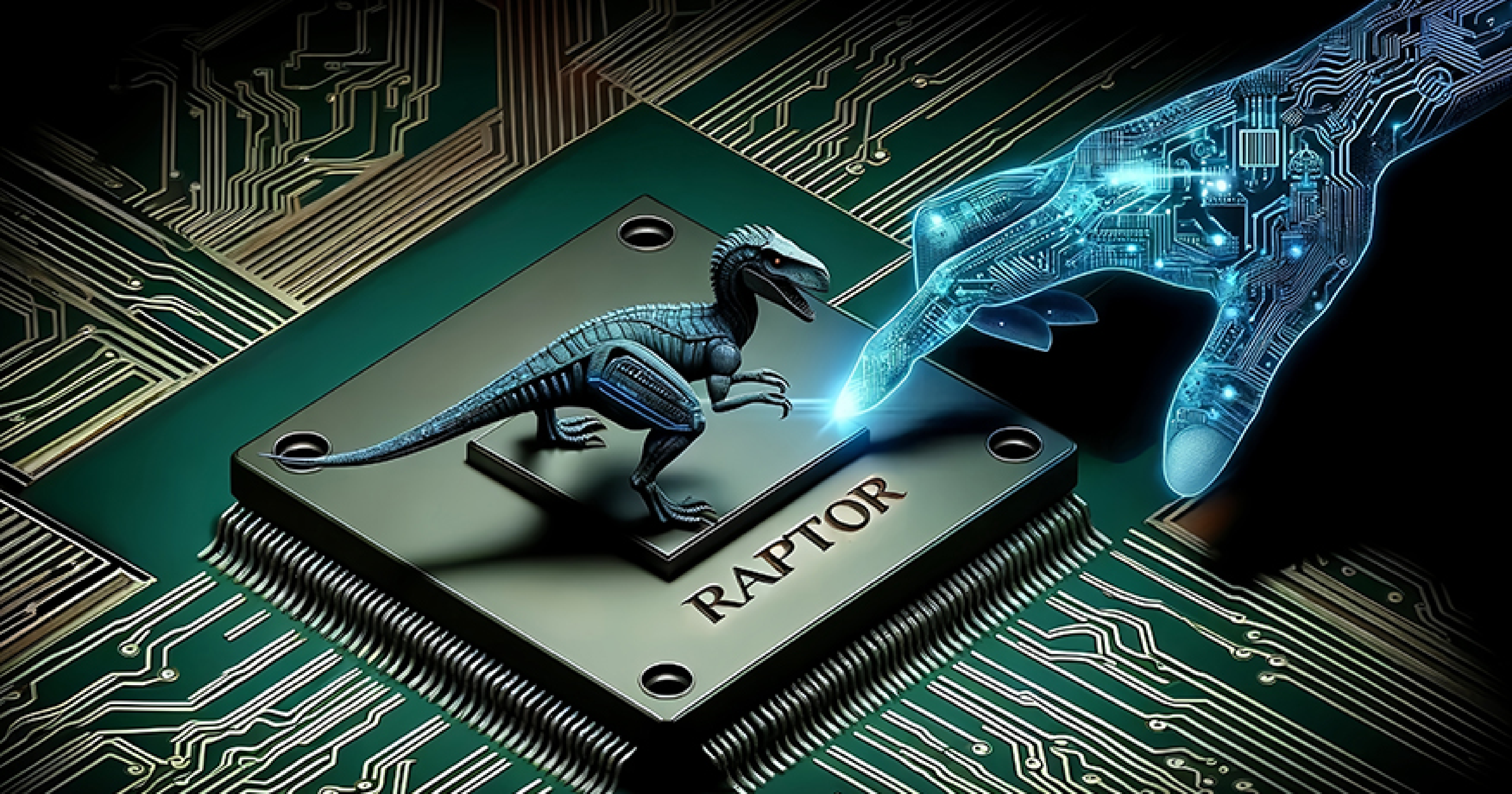
The semiconductor industry has grown over the last 60 years, but there is a profound shortage of new microchips, creating a counterfeit chip market. Purdue University researchers have developed a method called RAPTOR that uses deep learning to identify counterfeit chips.
Semiconductors are used in many industries including automotive, aerospace, communication, computing, electronics, energy, and healthcare. In the past 60 years, it has grown into a $600 billion global market. There is a shortage of new chips, which has led to a $75 billion counterfeit chip market that jeopardizes safety and security across these industries.
Purdue University researchers have developed RAPTOR, an optical counterfeit detection method. It leverages deep learning to identify tampering and improves upon traditional methods, which face challenges including scalability and discriminating between natural degradation and intentional tampering.
The researchers tested RAPTOR against traditional methods by simulating tampering behavior in nanoparticle systems. RAPTOR correctly detected tampering in 97.6% of cases, exceeding the performance of other methods by up to 40%.
Alexander Kildishev, College of Engineering
Email: otcip@prf.org
Email: Steve Martin // sgmartin@prf.org