Nucleic acid (NA)-based drugs are revolutionizing biomedical research by controlling cellular functions at the genetic level. But estimates suggest less than 1% of the therapies enters the cell and becomes active. Purdue University researchers have developed a system to improve the delivery rates to cancer cells.
NA-based therapies can control cellular functions at the genetic level, revolutionizing biomedical research worldwide. Several types of therapies are being explored to expand the number of druggable sites in the human genome. Research suggests, though, that less than 1% of an NA therapeutic enters the cell.
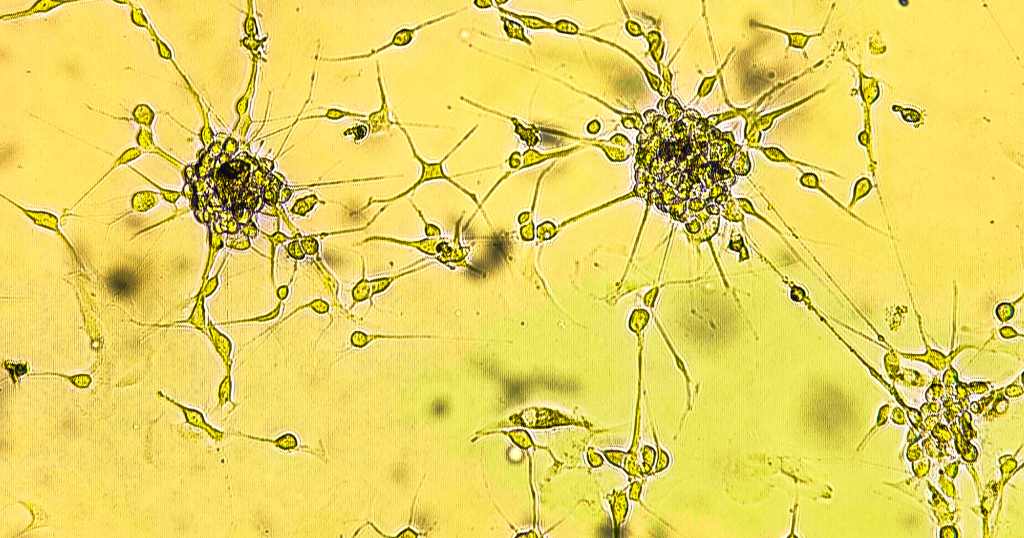
Purdue University researchers have developed a platform technology that mimics the structure of viruses to deliver more of an NA therapy to targeted cancer cells. The carrier system called LENN has two protective layers: one to condense the nucleic acid and one to protect it from the body’s immune system. The researchers have used LENN to deliver NA-based therapies to bladder cancer cells.
David Thompson, College of Science
Email: otcip@prf.org
Email: Steve Martin // sgmartin@prf.org