
August 1, 2024
Disclosure 101: the essential guide for Boilermaker inventors
Purdue University innovations can be found in all 50 U.S. states and in nearly 100 countries around the world. Millions of people benefit from the cutting-edge research that takes place at Purdue.
But how does research go from lab to life? It all starts with disclosure.
What is disclosure?
Disclosure is a written description of an invention or technology that acts as a formal record of its creation and helps decide whether patent protection needs to be pursued for that invention.
Most importantly, disclosure helps protect your idea before it goes public. Purdue takes managing and protecting Purdue intellectual property very seriously and holds itself and others accountable to the highest standards. Disclosure helps Purdue do its job and protect you. Because even if you don’t plan to commercialize, disclosure ensures no one else can get credit for your hard work and innovative research.
Why disclose your innovation?
First, disclosure is required by Purdue.
Intellectual Property that arises in any part in the course of employment or enrollment at the University, or in the course of a work-for-hire relationship or visiting scholar relationship with the University, is Purdue Intellectual Property.
If you’re not sure whether you meet the criteria to disclose, the university offers useful FAQs.
You should also disclose because you can secure your rights and interests as an innovator. Even better, you’ll have a team of people who can help you navigate through the disclosure process, which can be lengthy, confusing and waste time that could otherwise be dedicated to research. OTC experts can then connect with industry contacts interested in Purdue research so your innovations can be brought to the market.
Best of all, you’ll earn revenue and be able to devote more time to the research you’re pursuing.
How do I disclose?
Getting the disclosure process started is simple. Head to the OTC website and you’ll be guided step-by-step. There’s also additional, more detailed technical information that may be helpful as you complete the documentation.
Not sure where to start?
We can help.
Reach out to OTCip@prf.org or learn more about what it actually looks like to disclose an invention at Purdue — and what follows.
DISCLOSURE
As outlined above, you’ll submit your invention to the OTC. This is the first step in protecting and commercializing your innovation and mandatory for Purdue researchers.
What happens: After you complete and submit your documentation, a business development manager (BDM) will be assigned to help support and guide you along the way so you don’t have to navigate these complex systems alone.

EVALUATION
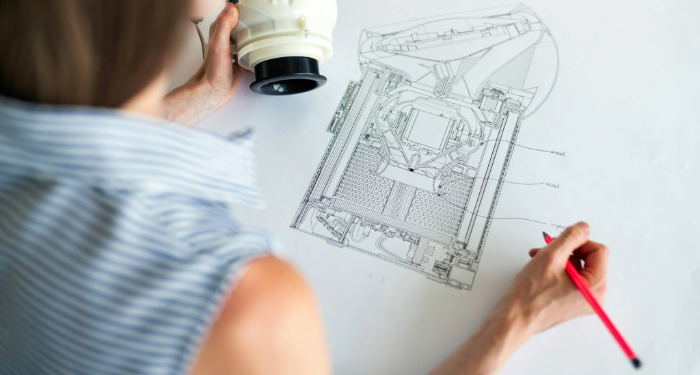
Not every discovery or invention meets the criteria to receive a patent. Before moving forward unnecessarily, you can discuss with experts to make sure your innovation is a good fit.
What happens: You’ll meet with your BDM to discuss the patentability, commercial viability and novelty of the invention to see whether you’re able to move forward in the process.
PROTECTION
If you’re interested in commercializing your work, protection is critical as many companies don’t want to invest significant resources into a product that is not exclusive to them.
What happens: OTC will pursue intellectual property (IP) protection for your invention. They’ll file a patent on your behalf with the USPTO. If all goes well, you’ll have a patented innovation which you can license to different companies.


DEVELOPMENT
Research often needs refinement before it can be commercialized and see real-world application. Now is the time to do that.
What happens: Develop & derisk your technology with Purdue Innovates Incubator at any stage of your idea or innovation. The Incubator helps transform Purdue technology from “lab ready” to “market ready”.
MARKETING
Now that you’ve secured a patent and developed your invention, it’s time to share it with the world. Luckily, you don’t have to do your own marketing.
What happens: Your BDM and others in the OTC will help you evaluate the market for your invention, identify potential customers and explore the opportunities and potential roadblocks to bringing your tech to market.

LICENSING & COMMERCIALIZATION
The simplest way to commercialize your tech is to work with an industry partner who has the capital, resources and expertise to develop it. Purdue licenses and options hundreds of innovations every year. There are currently over 1000 new technologies available for licensing from across Purdue.
What happens: If a match is found (or you choose to form a startup company around the technology), the OTC team will negotiate an agreement for the rights. There are a variety of licensing options, which your BDM will help you understand. Once licensed and commercialized, you’ll begin to receive revenue based on the agreement.

RECENTLY COMMERCIALIZED PURDUE TECH
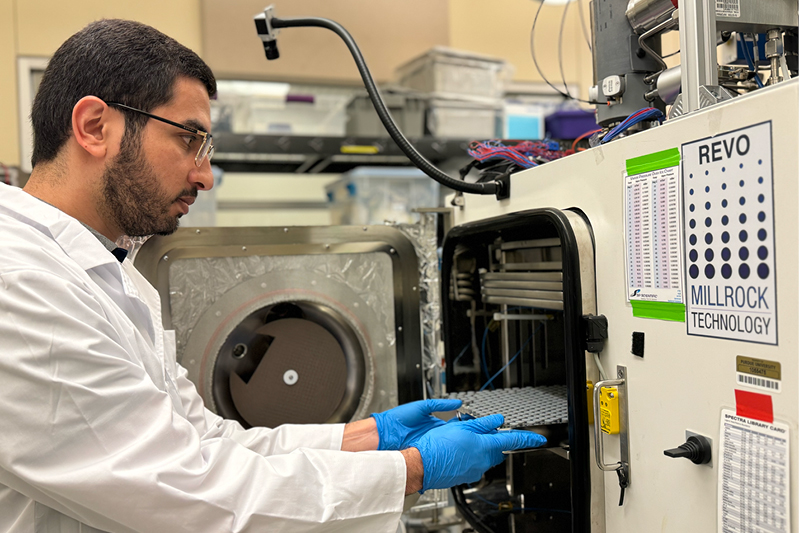
LyoWave licenses Purdue freeze-drying innovations, enters collaboration with Millrock Technology



What is Tangible Research Property?
TRP refers to perceptible items created during the course of research, including:
- antibodies
- bacterial strains
- DNA constructs
- mammalian cell lines
- purified enzymes or other proteins
- yeast strains
TRP is highly desirable to industry and academia. Although it may not benefit from patent protection, disclosing it to OTC can be highly valuable.
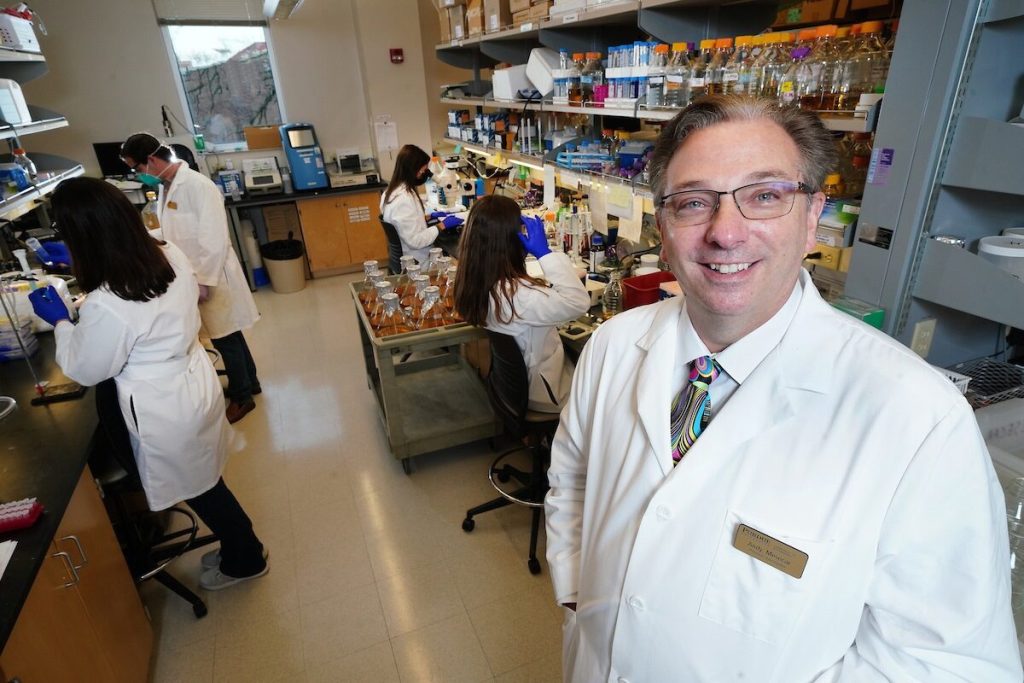
Andrew Mesecar
Distinguished Professor of Biochemistry, Robert Wallace Miller Director, Purdue Institute for Cancer Research and Assistant Vice President for Research
Frequently asked questions
The Office of Technology Commercialization follows Purdue policy regarding IP. This means that IP arising in any part in the course of employment or enrollment at the University, or in the course of a work-for-hire relationship or visiting scholar relationship with the University, is Purdue Intellectual Property, with some exceptions as outlined on Purdue’s policy website.
Please see the policy website if you have questions about student IP policy, which differs slightly from faculty and staff IP.
Not all research can be patented or receive copyright protection, disclosing it to OTC can be highly valuable since it’s highly desirable to industry and academia.
Tangible research includes biological samples, for example:
- antibodies
- bacterial strains
- cell lines
- compound libraries
- DNA constructs
- yeast strains
Unsure if your research qualifies? Reach out to the OTC team with questions.
A license agreement can be tailored to suit many circumstances, but generally:
- Represents a long-term partnership between PRF and a licensee.
- Grant exclusive or non-exclusive rights.
- Grants a licensee the right to make, use and sell the technology.
- Imposes obligations on the licensee, such as the requirement to diligently develop the technology into a product or service and to pay an agreed-upon financial consideration.
- Can usually be terminated at the discretion of the licensee, but PRF may only terminate that same license under predefined conditions, usually involving a material breach of the agreement. Upon termination, rights to the IP revert back to PRF.
- Option agreement: A short-term deal giving a company first right to negotiate a license for a specific technology. During this period, PRF won’t market the technology or seek other licensees and the option holder usually pays a modest fee and covers ongoing IP expenses. This agreement gives licensees time to conduct due diligence before committing fully.
- Commercial Evaluation License Agreement: Used to grant the right to use a technology, under limited circumstances and for a limited time, to evaluate that technology with samples or data.
- Express Startup License: Purdue innovators who are the founders of their first new venture formed to develop and commercialize their innovation may apply for this exclusive license under a standard form of license with preset terms.
- Tangible Research Property License Agreement: IP takes many forms, and inventions that are not patentable or copyrighted can still be licensed. For example, cell lines or antibodies can be licensed as a tangible property, where the licensee is granted the right to use and sell those materials that were created at Purdue.
Media Contact: Polly Barks, phbarks@prf.org